田夫分享会:利西茨基——先锋时代的红与黑
Tianfu's Sharing Session: Lissitzky — Red and Black in the Avant-Garde Era
In February 2025, Tianfu returned from Japan and gave us a talk on Western calligraphy and Western typography. This year during the Spring Festival, Tianfu came back from Japan once again, and I invited him to present a brand-new talk for the design community in Kunming, titled “Lissitzky—Red and Black in the Avant-Garde Era.”
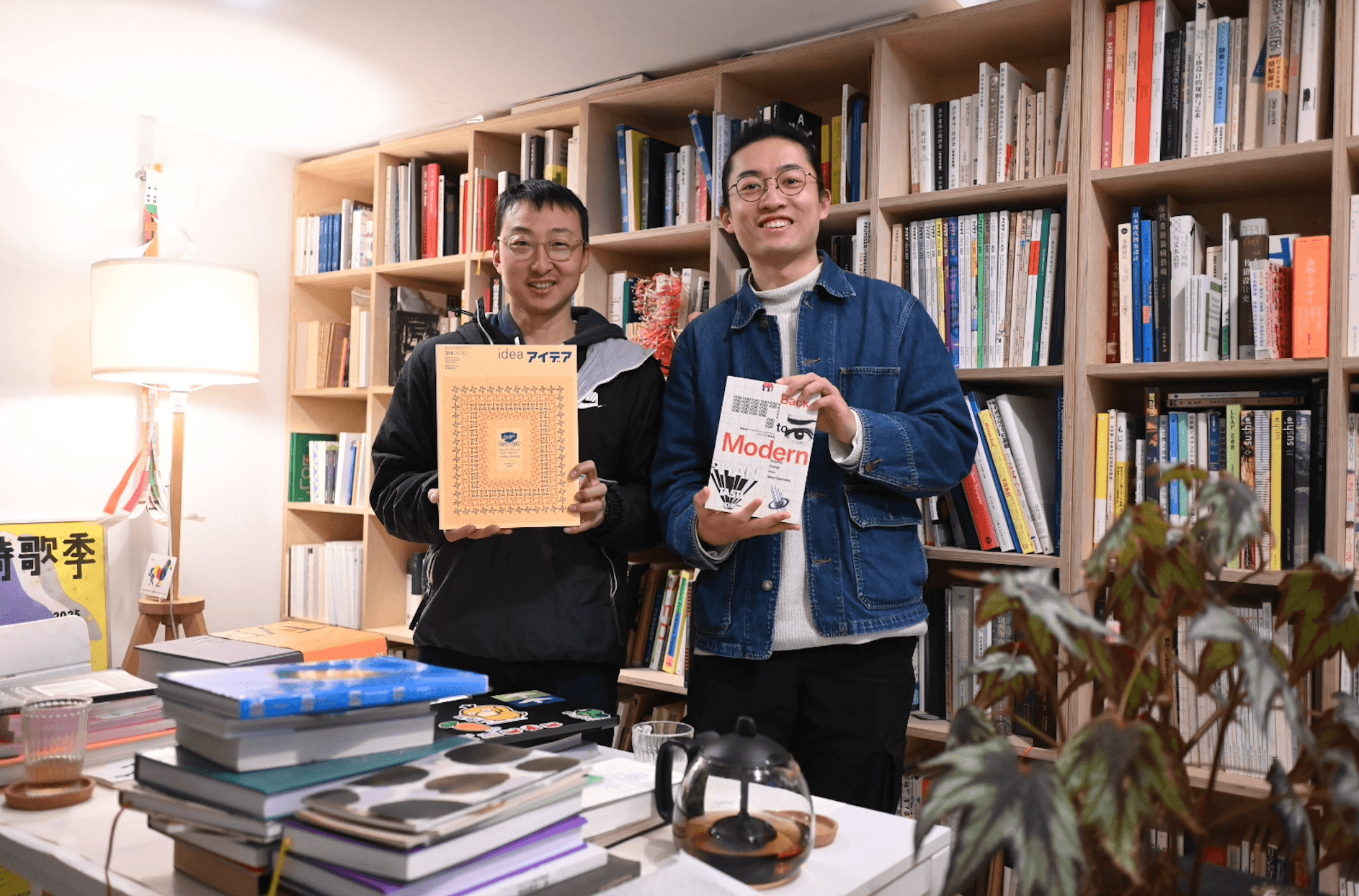
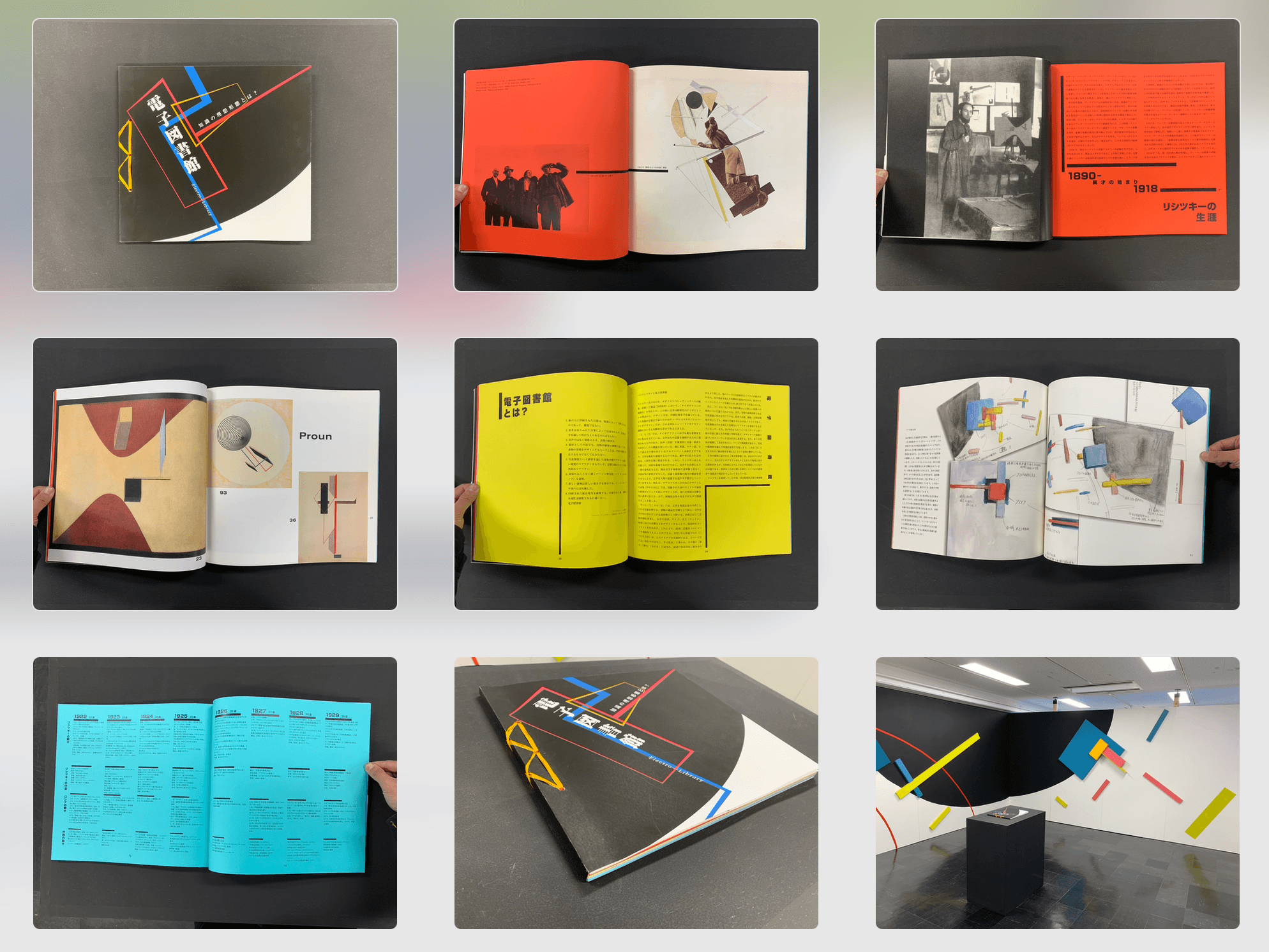
The opportunity for this talk actually came about just before the Lunar New Year when I asked Tianfu to bring me a copy of idea magazine from Japan, and I helped him purchase a book design work by Lü Jingren. Taking this chance, he visited my studio, and we had a chat. He is currently studying under Professor Shirai Keishin at Musashino Art University as a graduate student, while also working on graphic design projects for a gallery in Tokyo during his spare time. His undergraduate graduation project focused on Lissitzky’s work—”Electronic Library: What Is the Ideal Form of Knowledge?” He is very familiar with Lissitzky, so I wanted to invite him to give a talk on the subject, and he gladly agreed.
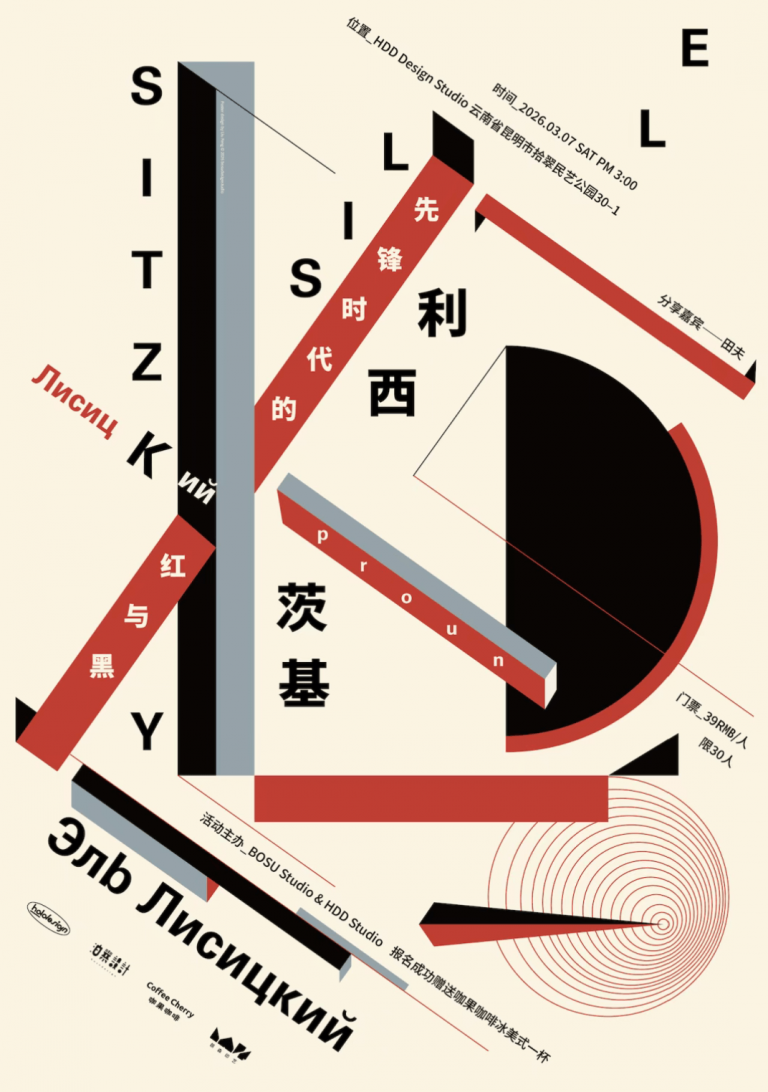
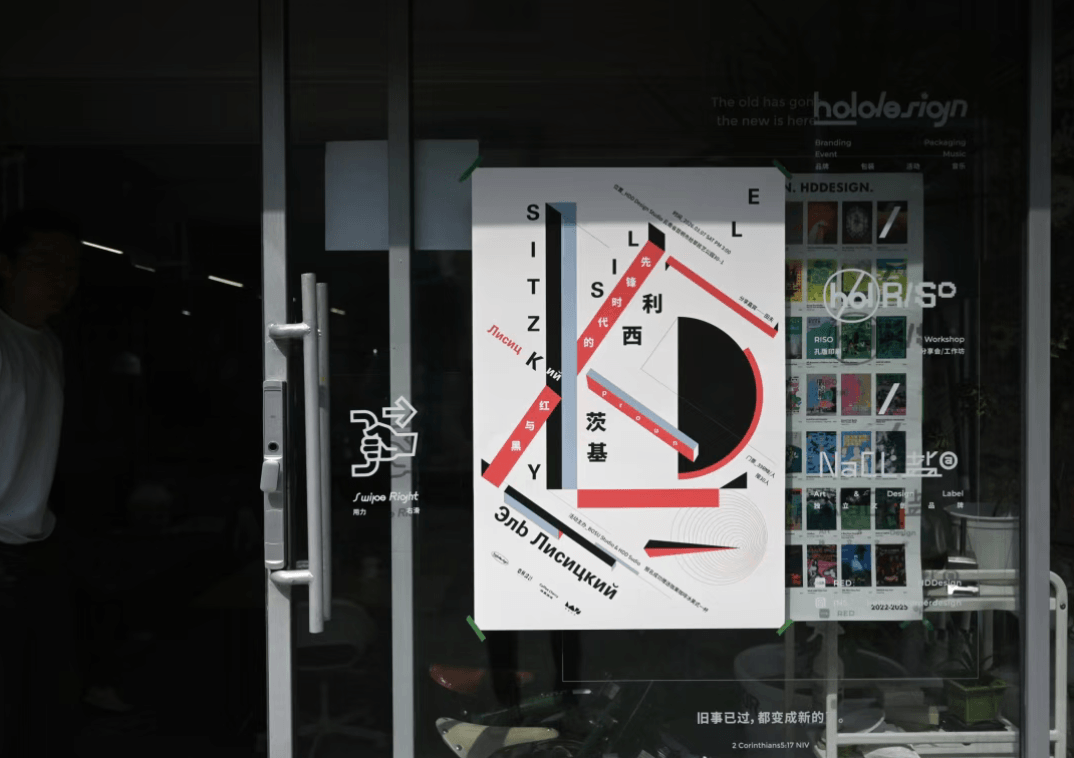
年后,他3月9号的要飞回日本,所以我们定在了3月7号,周六,地点依然然是我们的好朋友HDD的空间。海报依然由我来操刀,我研究了一下利西茨基的一些代表作,以及了解了一下他所处的时代和风格特征,以他的英文名的前两个字母「E\L」作为主要构成的元素,采用利西茨基的代表作中常用的建筑立体主义风格来完成了这次的海报设计。
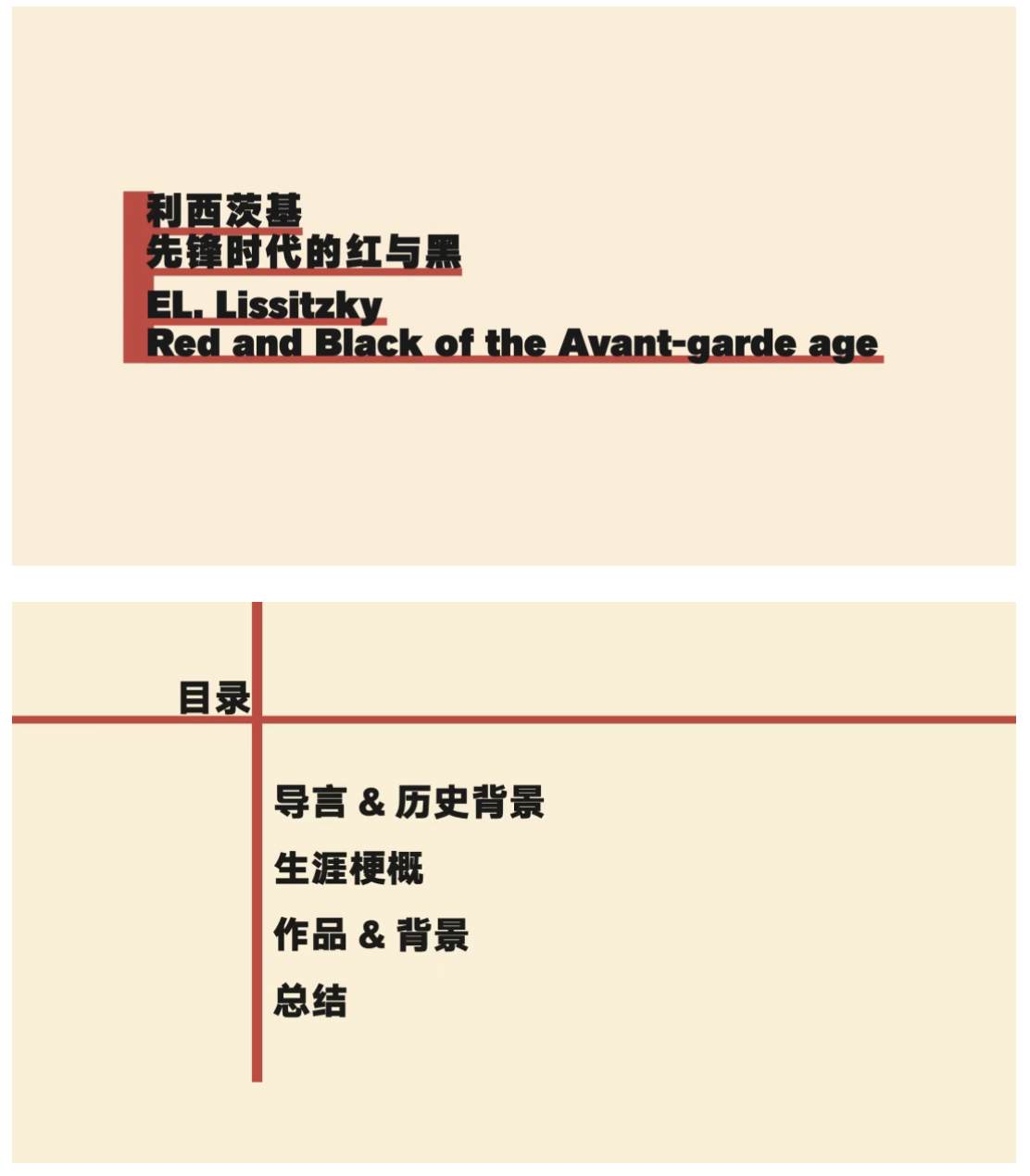
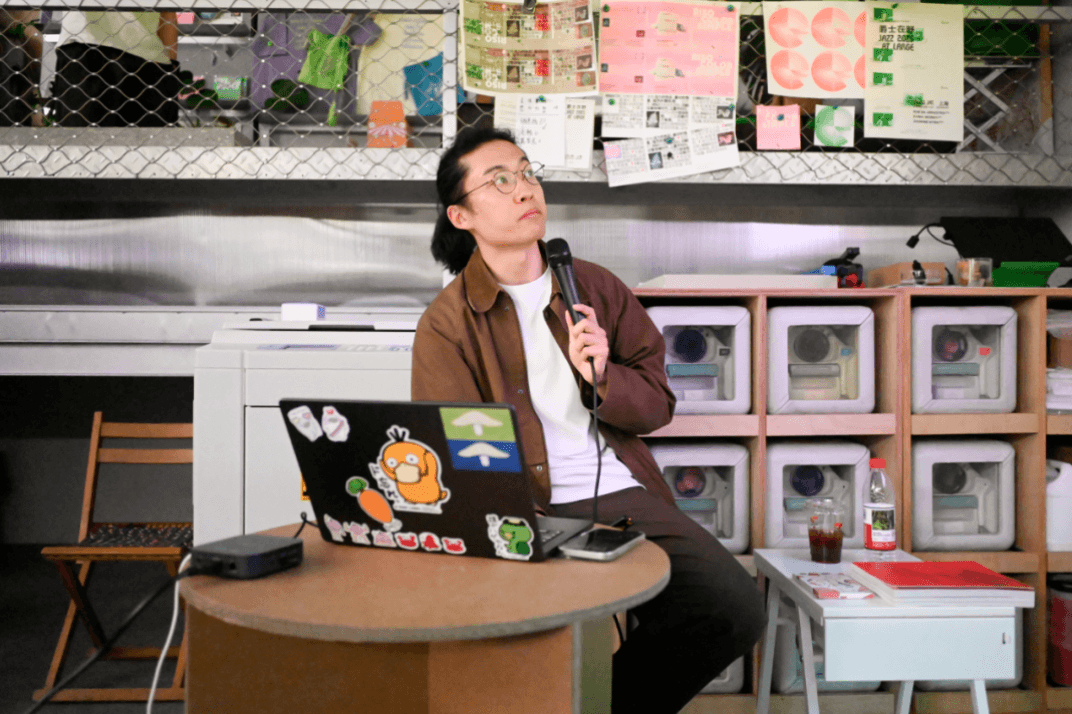
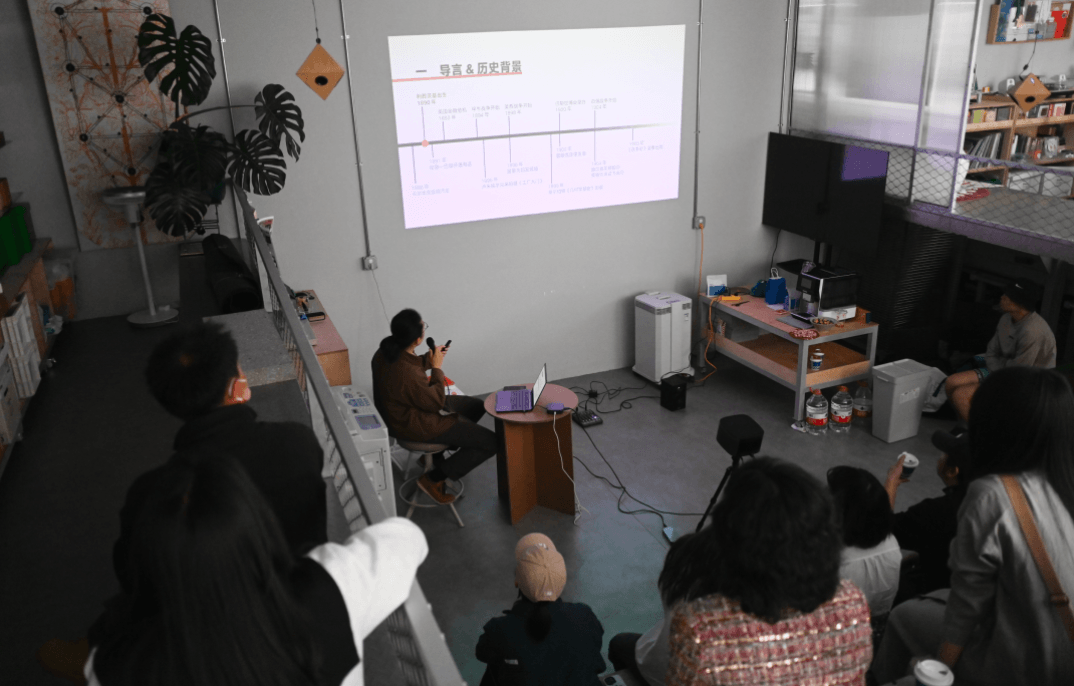
田夫的分享一如从前的严谨,甚至PPT都是InDesign来做的设计排版。内容主要分四部分:导言&历史背景、生涯梗概、作品&背景、总结。
Tianfu’s sharing session was as meticulous as ever, with even the PPT designed and laid out using InDesign. The content was divided into four main parts: Introduction & Historical Background, Career Overview, Works & Context, and Conclusion.
1.Introduction & Historical Background
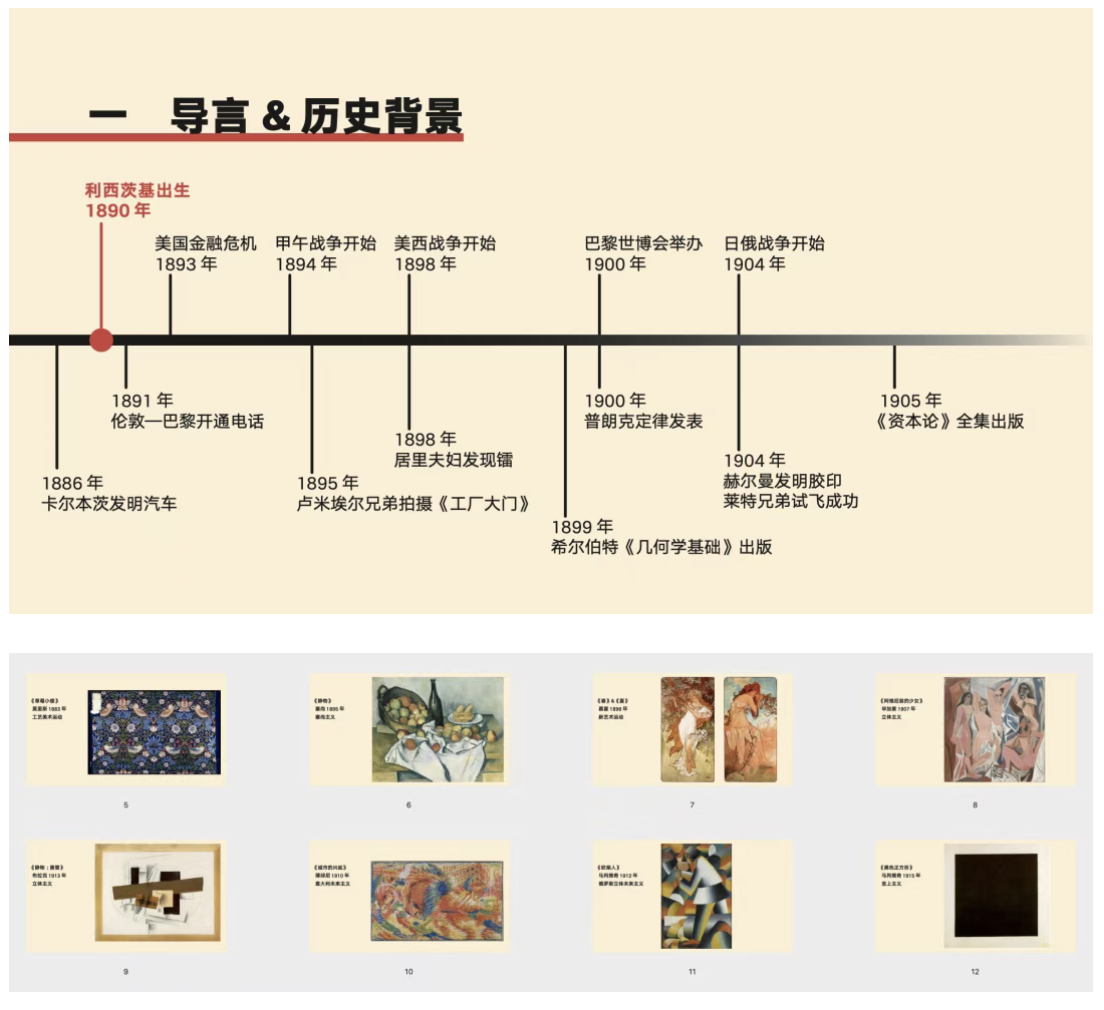
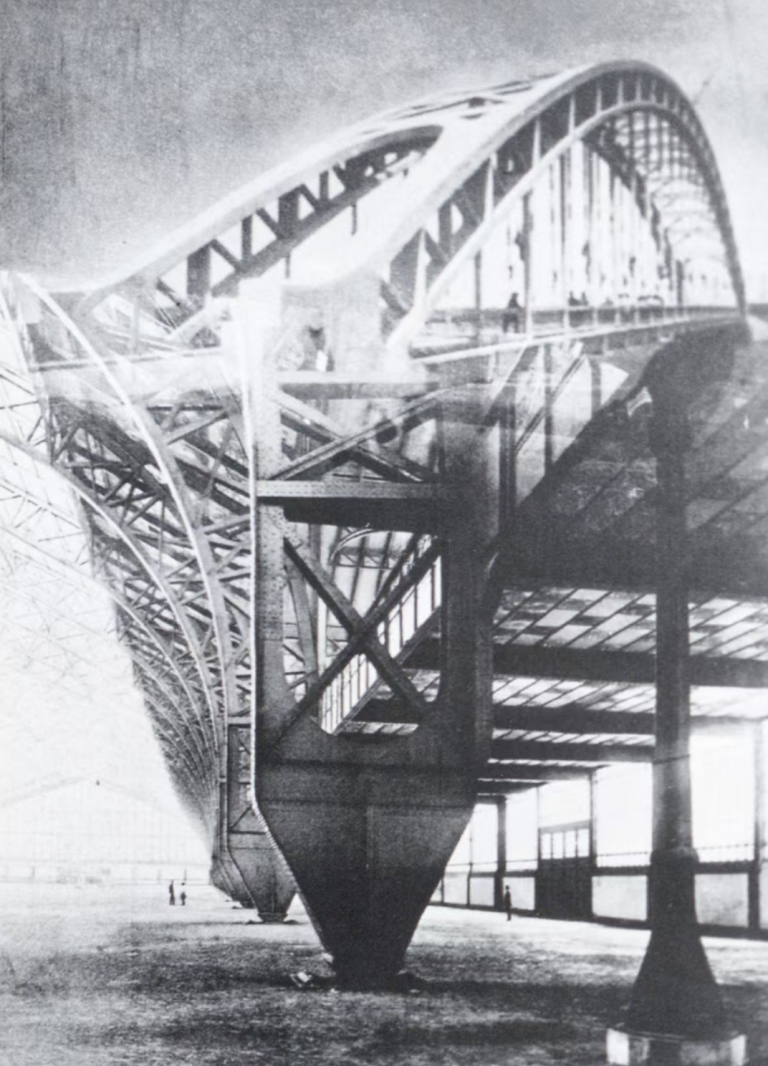
Tianfu began by introducing the historical context in which Lissitzky lived, along with some significant events of the time. Lissitzky was born in 1890; in 1891, the telephone connection between London and Paris was established; in 1894, the First Sino-Japanese War began… Tianfu then traced the trajectory starting from Morris’s Strawberry Thief in 1883 and the Arts and Crafts Movement, covering representative artists and their works from various periods, including Cézanne, Mucha, Picasso, Braque, Boccioni, Malevich, Tatlin, and Hausmann. He concluded with the theme “The Two Major Trends of Modernism—Destruction and Order,” summarizing how, at the end of the 19th century, with unprecedented advancements in science and technology, art sought to break the old order and establish a new world. Movements like Dadaism and Surrealism focused on destruction, while Suprematism and Constructivism emphasized the construction of new orders.
2.Career Overview
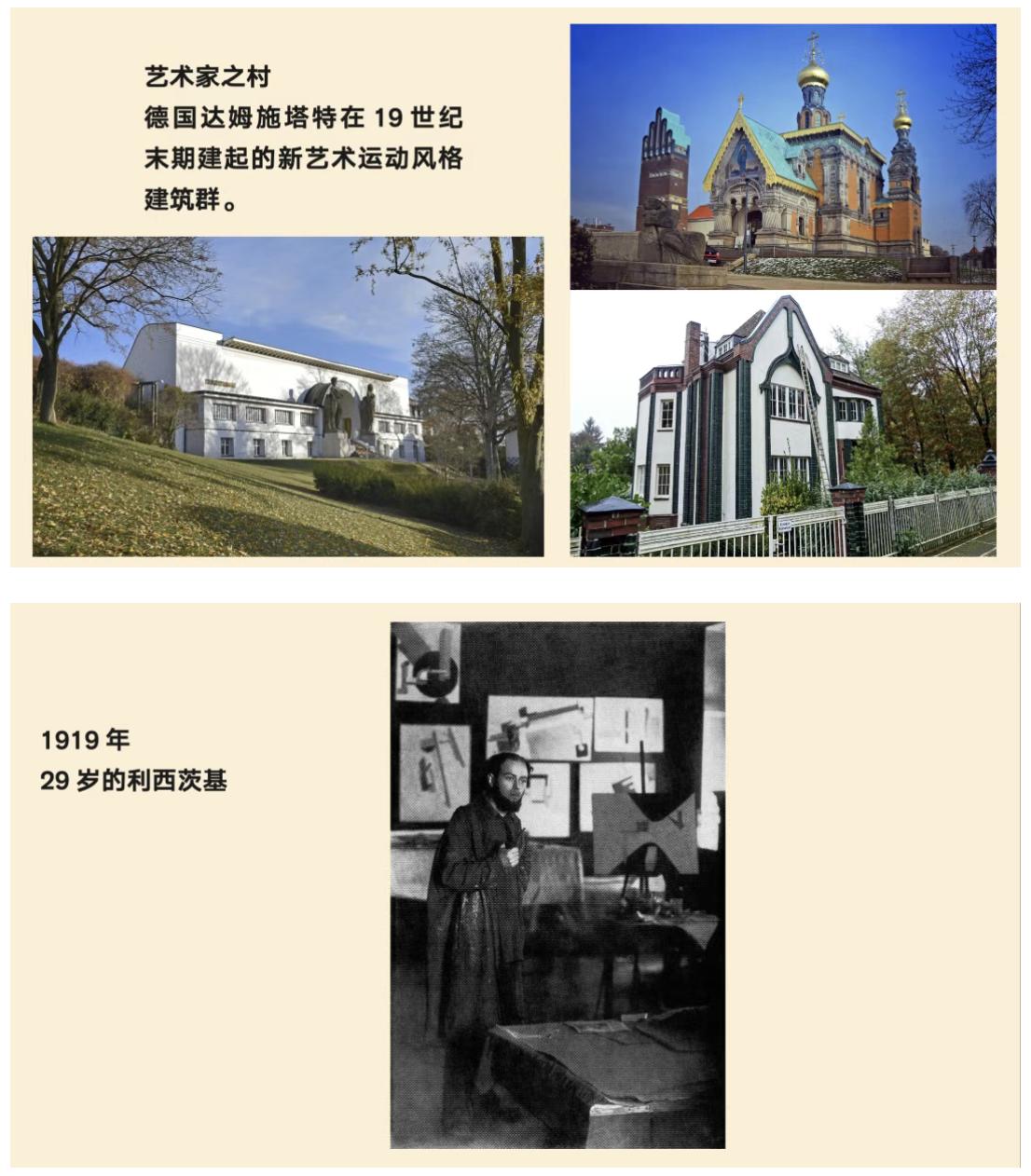
El Lissitzky was born in 1890 in the village of Pochinok, Smolensk Governorate, in Tsarist Russia, into a Jewish family. In 1903, he began his artistic enlightenment under Yehuda Pen. In 1908, he failed the entrance exam for the Saint Petersburg Academy of Arts. In 1909, he went to Germany to study architecture at the Technical University of Darmstadt, graduating in 1914 and returning to Russia to work on architectural design in Moscow. The city of Darmstadt is quite familiar to me; I studied at the Offenbach University of Art and Design in Germany, and Darmstadt is only about 32 kilometers south of Offenbach. The Technical University of Darmstadt is also a well-known comprehensive university in Germany. However, it’s a pity that during my studies, I was unaware that Lissitzky had once studied there. Tianfu shared some examples of Art Nouveau architecture built in Darmstadt in the late 19th century. Later, in 1919, invited by Chagall, Lissitzky went to teach at the Vitebsk People’s Art School, where he began creating his famous “Proun” series. In 1921, he went to teach at Vkhutemas in Moscow. In 1922, he began organizing the “International Congress of Dadaists and Constructivists” together with Moholy-Nagy, Van Doesburg, Man Ray, and others. In 1923, he contracted tuberculosis. In 1924, he was recuperating in Switzerland and exchanged ideas with Swiss Dadaists like Schwitters. In 1925, he returned to Moscow and taught at Vkhutemas and the Moscow State Technical University. In 1926, he designed the modern art section of the “International Art Exhibition” in Dresden, Germany. In 1927, he designed the USSR pavilion for the “All-Union Printing Trade Fair.” In 1928, he designed the Soviet pavilion for the “International Press Exhibition” (Pressa) in Cologne, Germany. In 1929, he co-founded the ISOTYPE institute with Otto Neurath. In 1930, he served as art director for the “International Hygiene Exhibition” and the Soviet pavilion at the “International Fur Trade Exhibition.” In 1931, his tuberculosis worsened. In 1932, he began working as an editor for the Soviet national magazine “USSR in Construction.” In 1934, his condition deteriorated, leaving him bedridden, yet he still served as editor for the magazine “MTS Architecture” and as art director for the Soviet pavilion at the International Aviation Exhibition in Paris. In 1935, he designed publications for the All-Union Congress of Soviets, received an award from the People’s Commissariat for Heavy Industry, and served as art director for the “All-Union Agricultural Exhibition.” In 1936, he designed the main pavilion for the “All-Union Agricultural Exhibition” as his tuberculosis continued to worsen, suffering from frequent high fevers until his death. In 1939, he designed the interior of the Soviet restaurant pavilion at the New York World’s Fair. In 1940, he designed the Soviet pavilion for the Belgrade World’s Fair. On the morning of December 30, 1941, he passed away at the young age of 51.
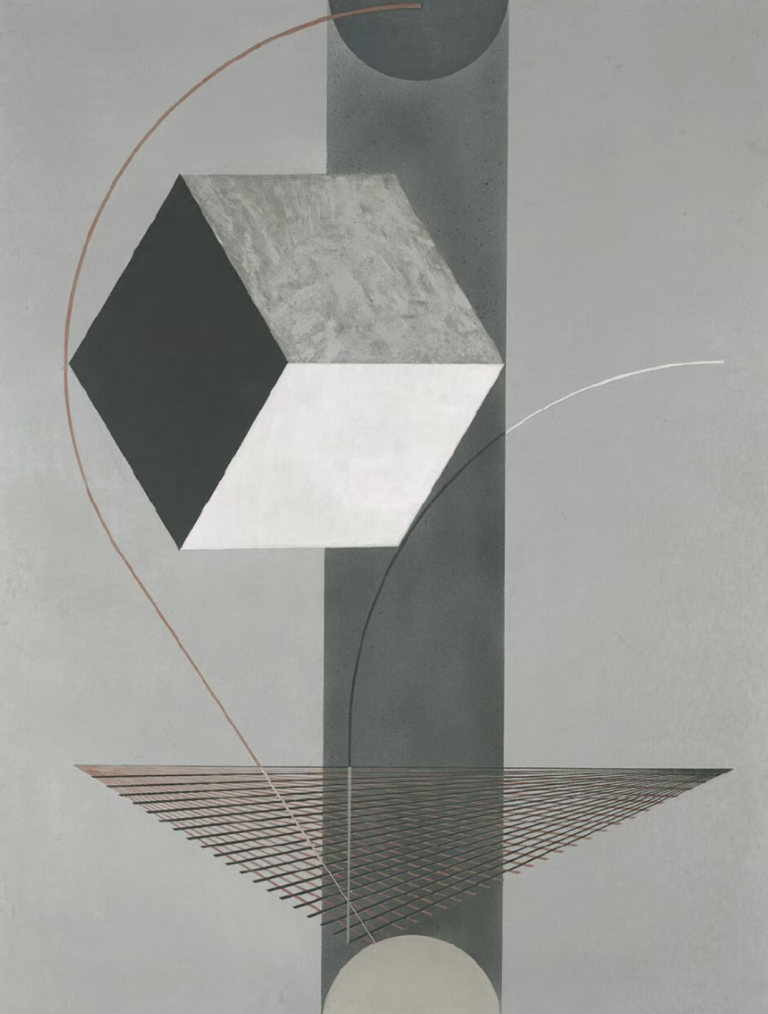
随后田夫重点分析了《Proun 99》 这件作品,立方体 :质感、黑方块、视错觉;二点透视网格:角度;弧线:与网格的关系,与灰色长方形的关系,引力与速度;整体:不合理的空间,运动,可变的视角。
最后,田夫还分析了利西茨基对空间设计的理解:《想要孩子》舞台的模型设计了全方位观看的立体舞台,《国际艺术展现代展厅》在不同视角下空间的呈现会有变化,观众的参与会影响空间的呈现。
3.Works & Context
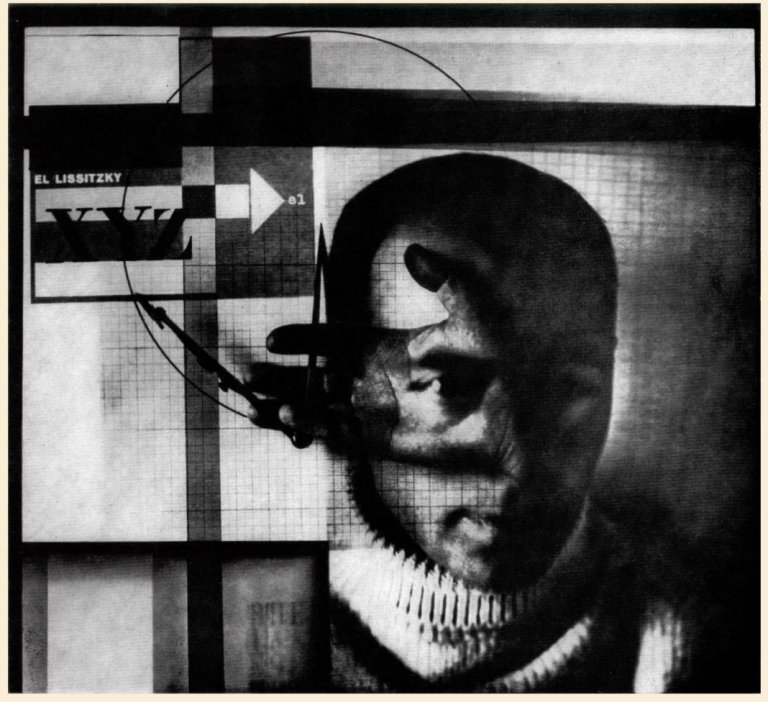
One of Lissitzky’s most famous works from 1924, The Constructor, employs photomontage technique, ingeniously combining his portrait with a compass held in one hand.
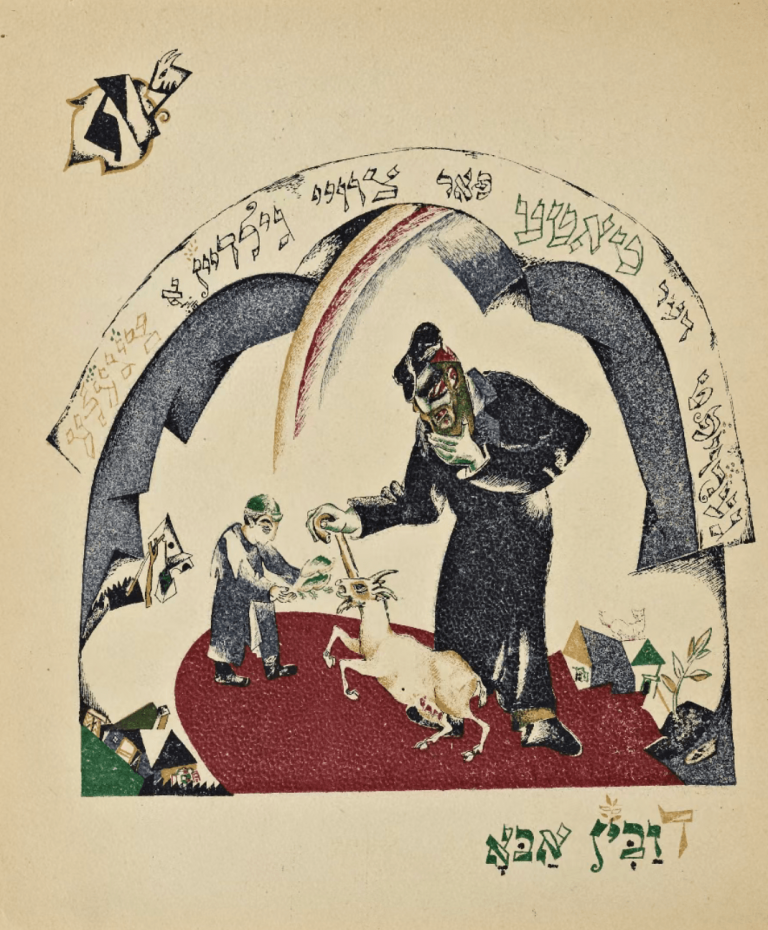
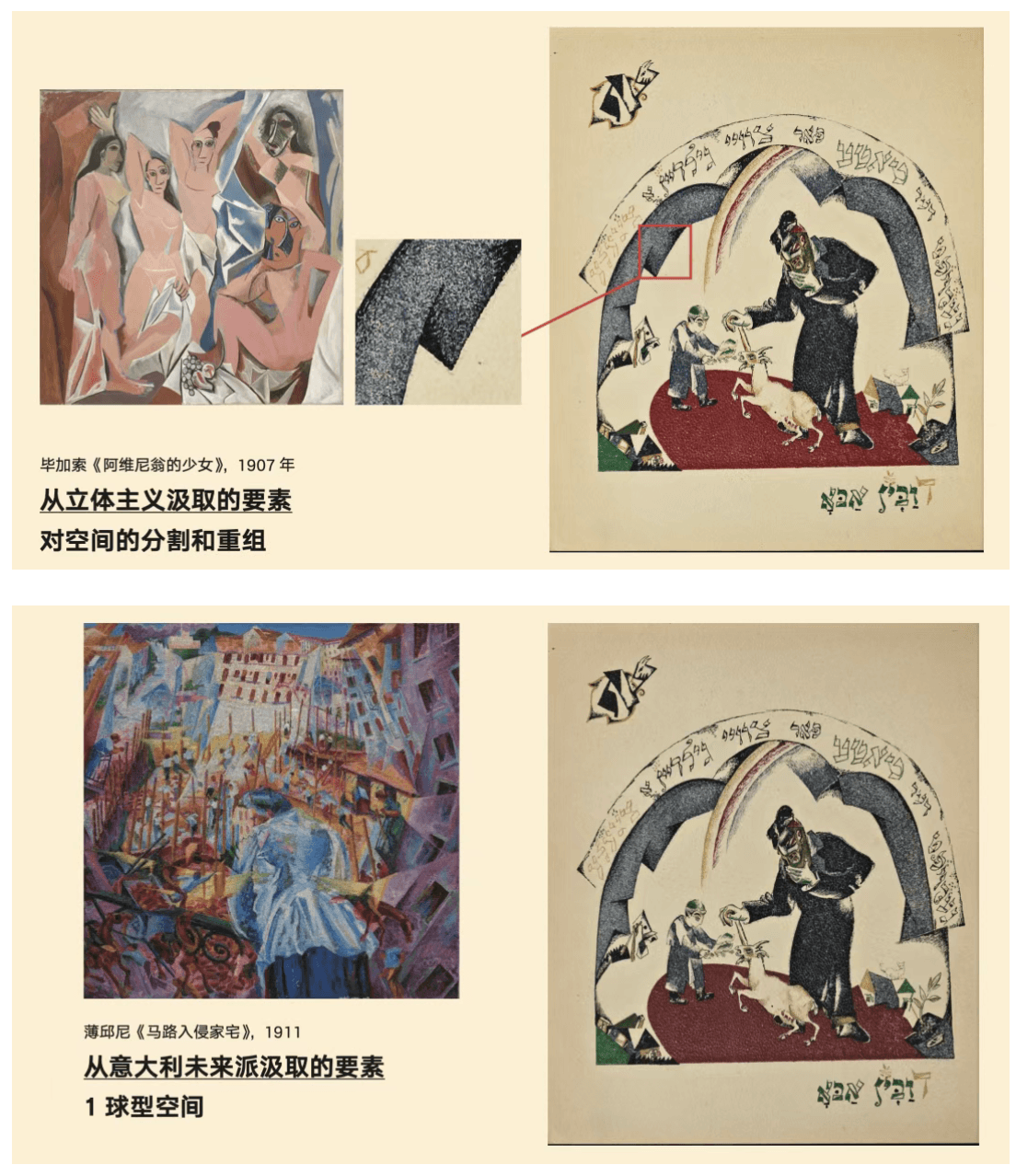
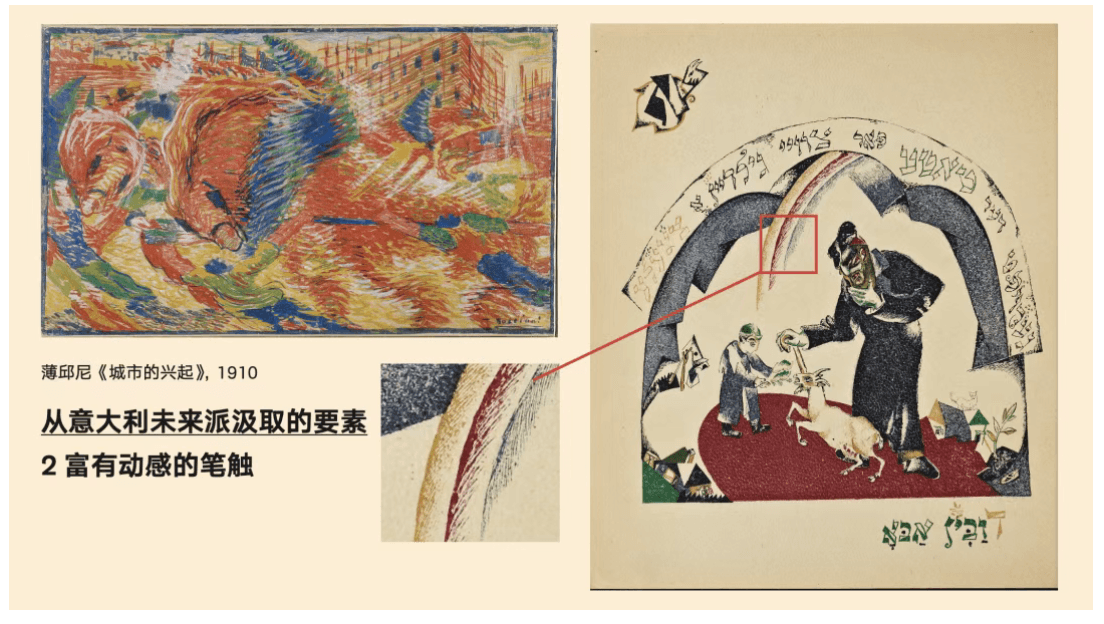
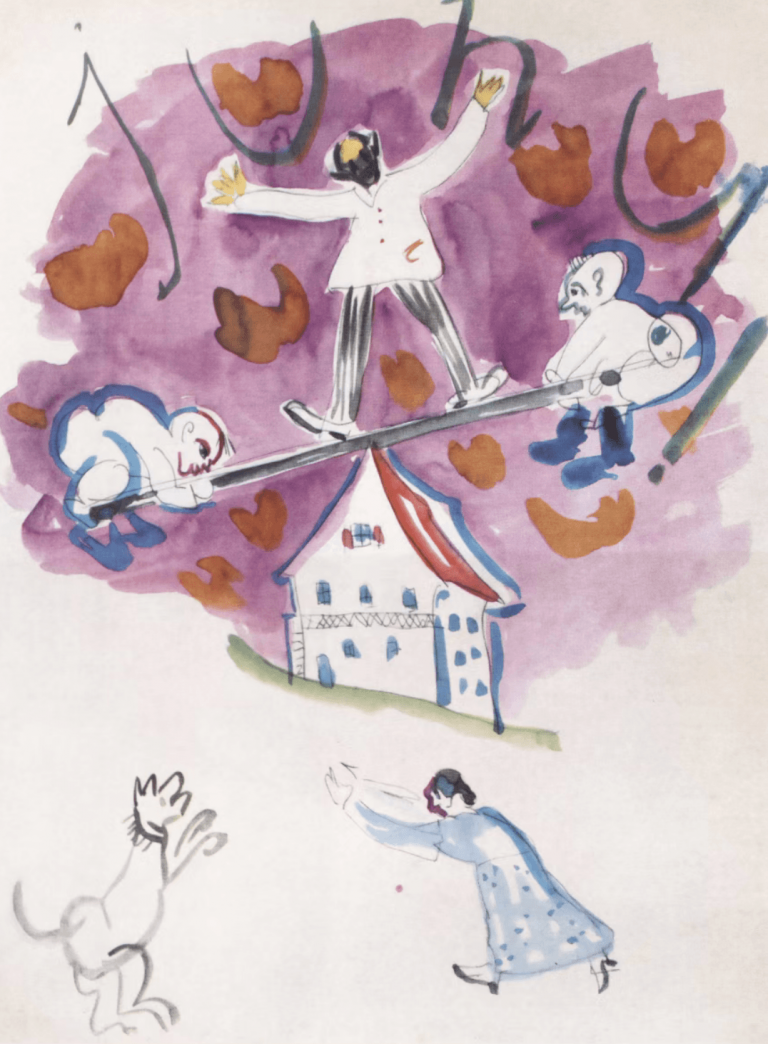
His 1919 illustrations for The Tale of the Goat were also influenced by Cubism and Italian Futurism. Tianfu analyzed the reasons from three aspects: 1. By comparing it with Picasso’s 1907 painting Les Demoiselles d’Avignon, it can be seen that Lissitzky’s The Tale of the Goat illustrations also drew elements from Cubism, particularly the fragmentation and reorganization of space. 2. By comparing it with Boccioni’s 1911 work The Street Enters the House, it can be seen that Lissitzky absorbed elements from Italian Futurism: spherical space and dynamic brushstrokes.
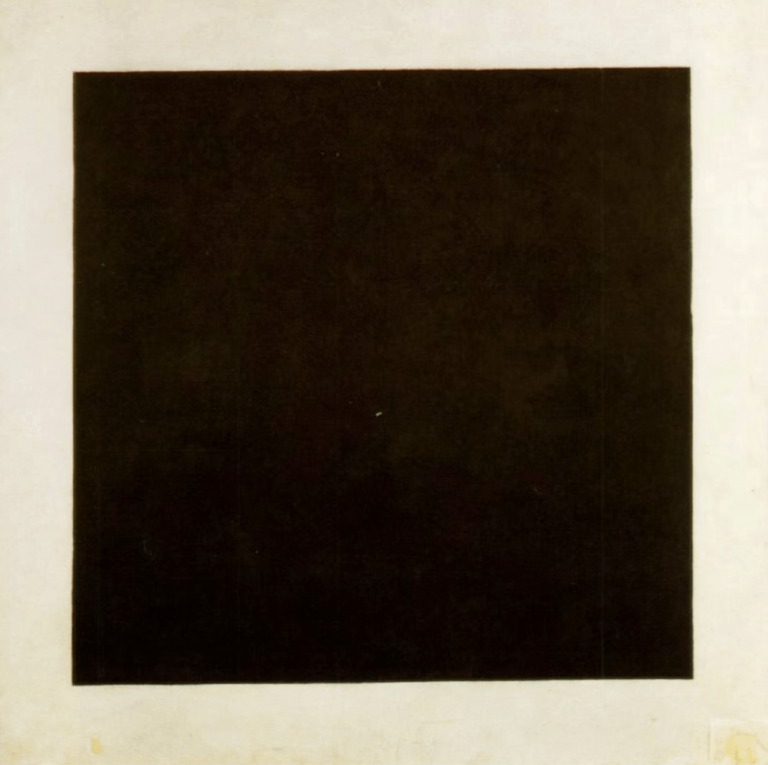
The decade from 1919 to 1929 marked the brilliant period of Lissitzky’s representative series, “Proun.” Starting from Malevich’s Black Square, Tianfu analyzed three aspects of Suprematism: 1. Non-objectivity, 2. The ultimate answer, 3. Cosmic space and symbols, 4. Aerial photography. He concluded by summarizing the architectural nature of Proun: “PROUN is the transfer station between painting and architecture.” — The Isms of Art, 1925, Lissitzky.
Tianfu then focused on analyzing Proun 99. Cube: texture, black square, optical illusion; Two-point perspective grid: angles; Arc: its relationship with the grid, its relationship with the gray rectangle, gravity and speed; Overall: irrational space, movement, variable perspective.
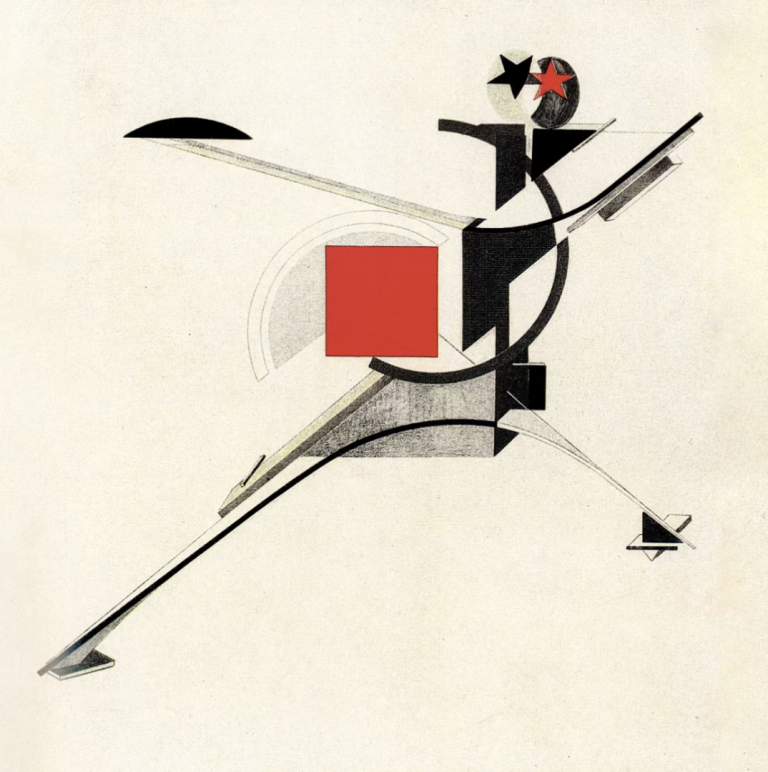
Figurines for “Victory over the Sun” is a work by Lissitzky from 1923. Lissitzky extended Malevich’s ultimate symbol of the black square, using a red square as the body of the figurines, interpreting three-dimensional figures through a Constructivist approach.
In 1921, after Lissitzky went to Germany, he invented photomontage techniques together with Moholy-Nagy, Hausmann, Man Ray, and others. The cover of New World Architecture: French Special Issue from 1929 is a representative work of montage.
Here, Tianfu also provided a detailed interpretation of Lissitzky’s masterpiece The Constructor once again: Lissitzky fused his own photograph, his hand and compass, graph paper, and a photo of his own logo, creating a narrative that transcended the original photos—a “constructor” embodying rationality, wisdom, and the ability to handle both graphic composition and spatial (architectural) construction vividly emerged on paper.
Next, Tianfu analyzed Lissitzky’s understanding of typography: 1. Typography is essentially about using visual language to express ideas (rather than auditory language). 2. Type, as a design element, needs to serve the content of the book. 3. Photomechanical printing can bring a “new objectivity” to book design that transcends time and space. 4. Printed matter and books have the characteristic of transcending time and space. He focused on analyzing *MERZ 8/9*, For the Voice, Objet, The Isms of Art, and USSR in Construction.
Finally, Tianfu also analyzed Lissitzky’s understanding of spatial design: The model for the stage of Want a Child designed a three-dimensional stage for全方位的 viewing; the presentation of space in the Modern Art Pavilion at the International Art Exhibition would change depending on the viewing perspective, and the participation of the audience would influence the spatial presentation.
一、打破旧秩序,建立新秩序的渴望。 (犹太文艺复兴、抽象绘画、先锋书籍、空间设计……)
二、观众参与的重要性。 (符号学、设计的互动性……)
以及给他带来的启示:深度与广度的关联性
此次分享,田夫通过个人多年的积累和不断学习,以及花了大量时间对苏俄时期的设计历史做了全面分析,完全剖析了利西茨基的创作和其所处的时代背景。作为一个深受欧美和日本设计影响的设计师,我对苏俄的设计、艺术的了解,在此之前也只是止步于一些重要的人物的名字以及一些重要的艺术流派名称,可以说是浅尝辄止,蜻蜓点水。而苏俄的艺术和设计在我国的影响是空前巨大的:上世纪四五十年代,我国大举引进苏俄的专家、引进苏俄的技术、设计、艺术,甚至广泛学习俄语。但是到了我们这代人,几乎没有任何接触。从田夫的分享中,我发现,苏俄的设计是那么的前卫,他们的思想和成果不仅在苏联当时取得了巨大的反响和成就,还影响了欧洲,影响了包豪斯。从历史中,我们可以了解到为什么要不断突破和创新,为什么要有不同方式和方法去创新,这是让我深深感到震撼的。以铜为鉴,可正衣冠;以古为鉴,可知兴替;以人为鉴,可明得失。在这个日新月异的科学技术进步的年代,我们更应该知史、学史、懂史、明史。从历史中来,到现实中去。
Tianfu analyzed the core of Lissitzky’s creative work:
The desire to break the old order and establish a new one. (Jewish Renaissance, abstract painting, avant-garde books, spatial design…)
The importance of audience participation. (Semiotics, the interactive nature of design…)
And the inspiration it brought him: the correlation between depth and breadth.
In this sharing session, through years of personal accumulation and continuous learning, and by spending a great deal of time conducting a comprehensive analysis of the history of design in the Soviet era, Tianfu thoroughly dissected Lissitzky’s creations and the historical context in which he lived. As a designer deeply influenced by European, American, and Japanese design, my understanding of Soviet Russian design and art had previously only gone as far as knowing the names of some important figures and a few major art movements – you could say it was superficial and fleeting. Yet, the influence of Soviet Russian art and design on our country has been unprecedentedly immense: In the 1940s and 1950s, China extensively brought in Soviet experts, technology, design, and art, and even widely studied the Russian language. However, by our generation, we had almost no exposure to it. From Tianfu’s分享, I discovered just how avant-garde Soviet Russian design was. Their ideas and achievements not only garnered significant response and accomplishment within the Soviet Union at the time but also influenced Europe and the Bauhaus. From history, we can understand why continuous breakthroughs and innovation are necessary, and why different methods and approaches to innovation are needed. This is what deeply shocked me. “Using bronze as a mirror, one can straighten one’s attire; using history as a mirror, one can understand the rise and fall of nations; using people as a mirror, one can perceive one’s own gains and losses.” In this era of rapid scientific and technological progress, it is all the more important for us to know history, study history, understand history, and comprehend history. Come from history, go into reality.
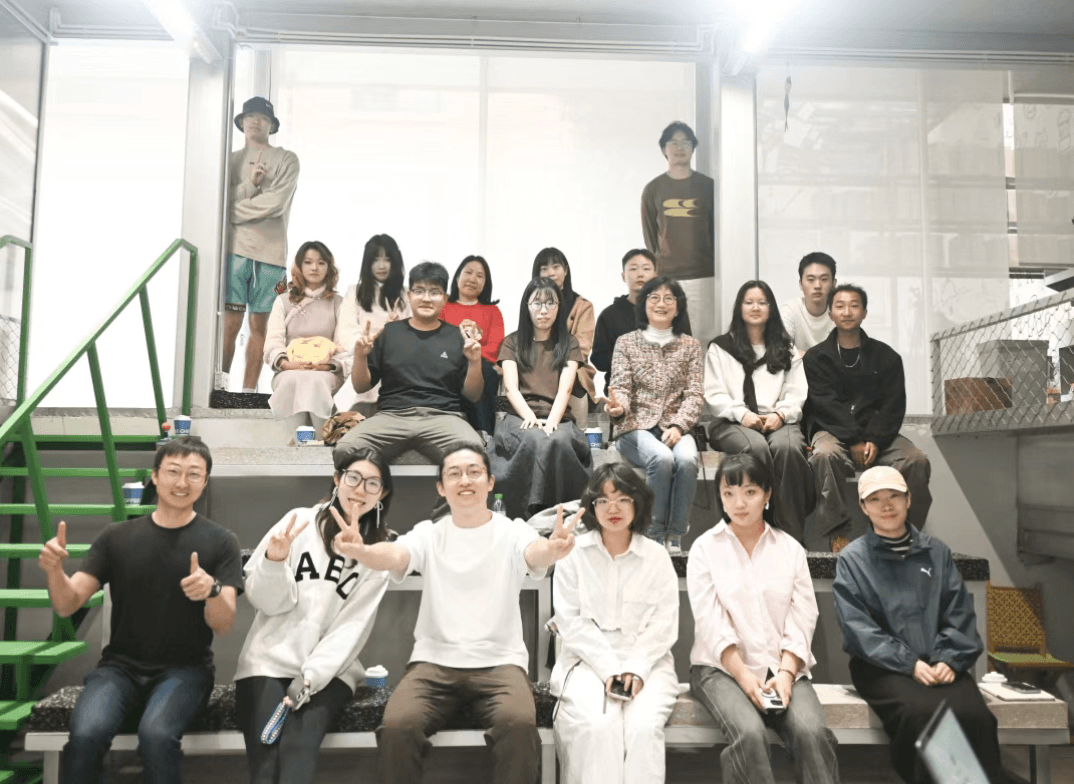
下面是此次活动的分享现场:Below are scenes from the sharing session:
活动主办:BOSU Studio & HDD
Studio海报设计:刘峰©BOSUdesign
场地支持:HDD Studio
海报打印赞助:朗森印艺
咖啡赞助:咖果咖啡
Event Organizers: BOSU Studio & HDD Studio
Poster Design: Liu Feng © BOSUdesign
Venue Support: HDD Studio
Poster Printing Sponsor: Langsen Printing
Coffee Sponsor: Coffee Cherry
写在后面的话:(分享活动的一点说明)这是我们在昆明本地举行的第四场分享活动,前三场的内容分别为:2024年5月10日第一场分享活动:乌尔姆的日与夜——谭沛然;2025年2月5日第二场分享活动:西文书法与西文字体排印浅谈——田夫;2025年7月28日第三场分享活动:Telax-Relax品牌设计分享——沈图。
我们之所以想通过这样的方式,旨在为本地设计师和对设计感兴趣的朋友们建立一个面对面的交流与沟通机会。通过互相学习,拓宽我们的设计认知,丰富我们的设计经验,提高我们的设计能力。进而转换为提高我们的设计水准,真正为客户解决实际的问题,这才是设计的真正意义。希望大家持续关注我们的活动,也感谢每一次给我们提供赞助的朋友们。如果你想为我们提供赞助支持,或者有任何建议和意见,欢迎留言。
Afterword: (A Note on the Sharing Session) This is the fourth sharing session we have held locally in Kunming. The previous three sessions were:
– First session on May 10, 2024: “The Days and Nights of Ulm” — Tan Peiran
– Second session on February 5, 2025: “An Introduction to Western Calligraphy and Western Typography” — Tianfu
– Third session on July 28, 2025: “Telax-Relax Brand Design Sharing” — Shen Tu
Our aim in organizing these sessions is to create face-to-face communication and exchange opportunities for local designers and friends interested in design. Through mutual learning, we hope to broaden our design perspectives, enrich our design experience, and enhance our design capabilities. Ultimately, this will help improve our design standards and genuinely solve practical problems for our clients — this is the true meaning of design. We hope you will continue to follow our events, and we also extend our gratitude to all the friends who have sponsored us each time. If you would like to offer sponsorship support, or if you have any suggestions or feedback, feel free to leave a message.